
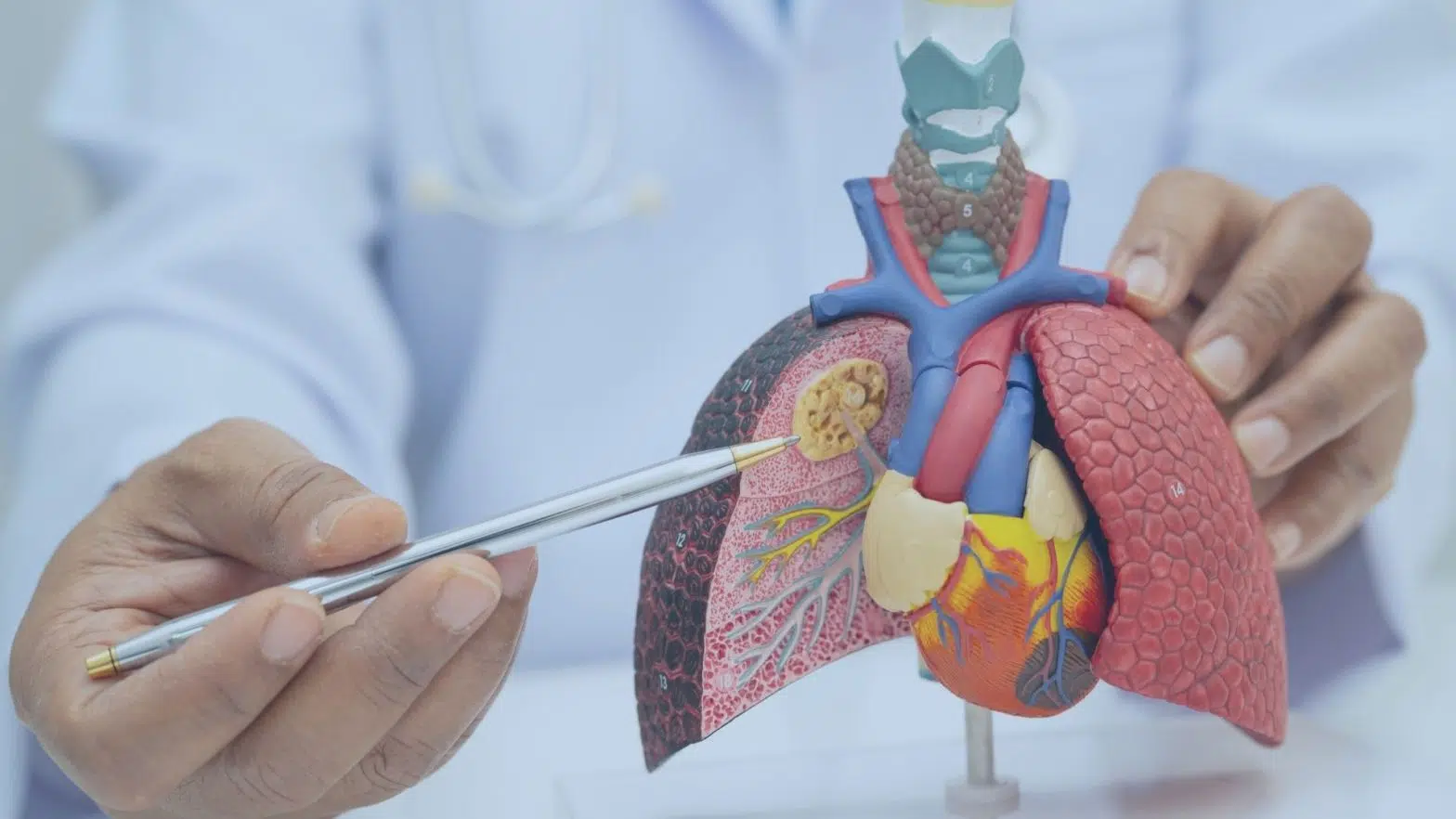
Treating lung cancer often requires a combination of methods. The choice of treatment depends on the type of lung cancer (NSCLC or SCLC) and its stage, as well as the patient’s overall health. The main standard treatment options are surgery, radiation therapy, chemotherapy, and newer drug therapies like targeted therapy and immunotherapy. Here’s a breakdown in simple terms:
- Surgery:
- Radiation Therapy:
- Chemotherapy:
- Targeted Therapy:
- Immunotherapy:
Often, combined treatments are used. For instance, a common plan for a fit patient with stage III lung cancer might be chemotherapy plus radiation together, followed by immunotherapy. Or surgery might be followed by chemo. The treatments above are not mutually exclusive – doctors design a sequence or combination based on what gives the best chance to control the cancer.
Managing Side Effects
All treatments can have side effects, but doctors will help manage them. For example, anti-nausea medications greatly improve comfort during chemo. There are also growth factor shots that can boost blood counts if needed. For radiation, skin creams and dietary adjustments (if swallowing is hard) can help. It’s very important to report any side effects you experience to your healthcare team promptly – there are often remedies available. For instance, if chemo causes neuropathy (tingling in hands/feet), a dose adjustment or a medication like vitamin B6 might be recommended. If immunotherapy causes an immune side effect, steroids can be used to calm the inflammation. You are not expected to “tough it out” silently – modern cancer care is as much about supportive care as it is about attacking the tumor.
- Tip: Keep a journal of how you feel during treatment cycles and share it with your doctor or nurse. This helps them address your specific issues. Remember that most side effects are temporary – they will fade after treatment ends. Your medical team’s goal is to cure the cancer or prolong your life while keeping you as comfortable and active as possible.
In summary, lung cancer treatment is a team effort using one or several of the approaches above. Treatment can be tough, but many people continue to enjoy their daily lives during therapy with proper side effect management. And these treatments save or extend lives – that’s the ultimate goal. Always ask your doctor to explain the plan and how each treatment helps fight the cancer.
Looking for lung cancer clinical trials near you?
Use WeTrials’ Study Finder to explore patient-friendly trial options, support resources, and expert insights.
👉 Explore Lung Cancer Clinical Trials
References
- American Cancer Society – Treatments for Non-Small Cell Lung Cancer Read More
- National Cancer Institute (NCI) – Lung Cancer Treatment (PDQ®)–Patient Version Read More
- Mayo Clinic – Lung Cancer: Diagnosis and Treatment Read More
- Cleveland Clinic – Lung Cancer Treatment: Surgery, Radiation, Chemotherapy, Immunotherapy & Targeted Therapy Read More
- Johns Hopkins Medicine – Lung Cancer Treatment Options Read More
- Cancer Research UK – Types of Lung Cancer Treatment Read More
- American Lung Association – Lung Cancer Treatments and Side Effects Read More
- MD Anderson Cancer Center – Understanding Lung Cancer Treatment Options Read More


Leave a Reply