
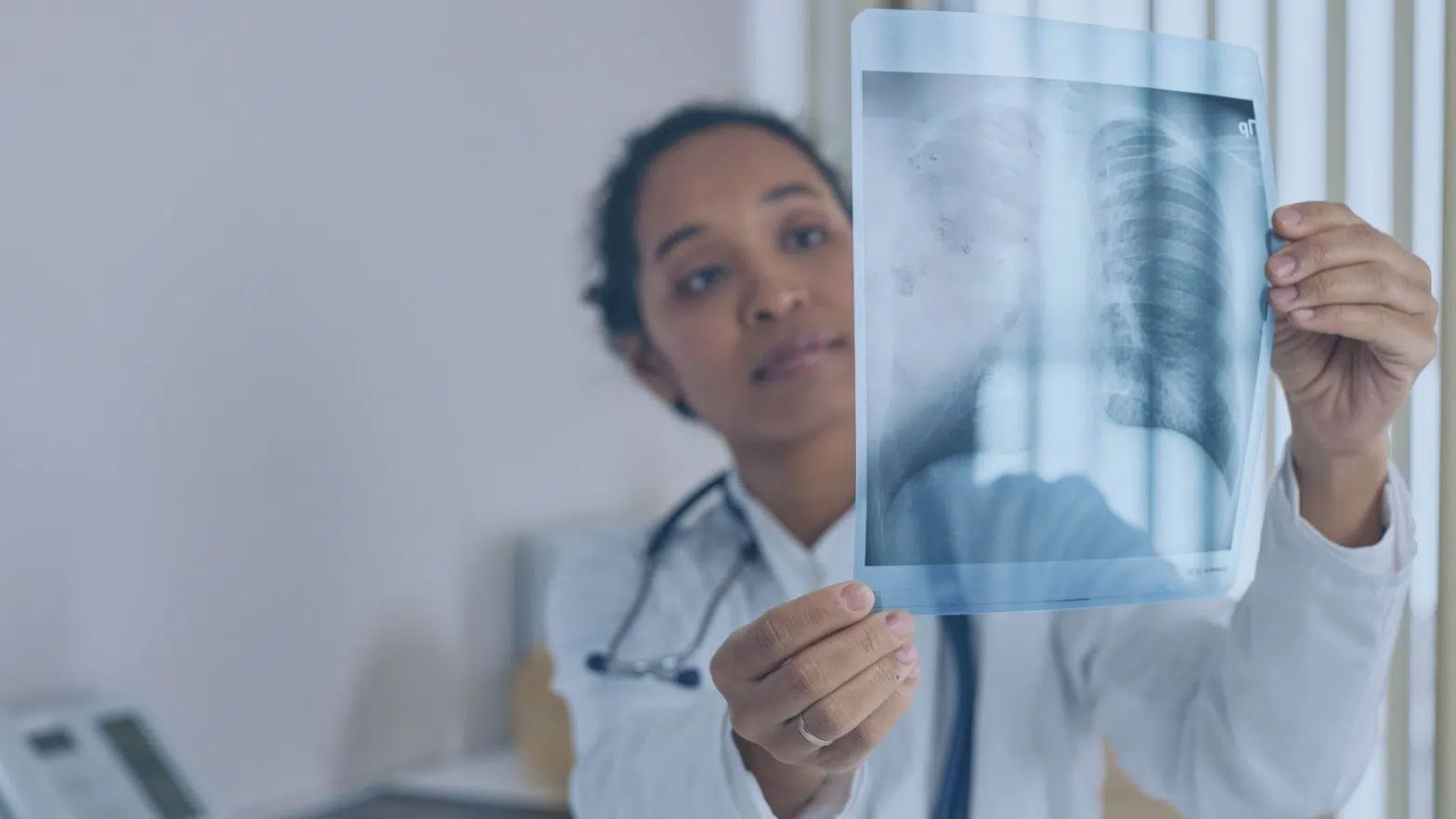
Being diagnosed with lung cancer is life-changing, and it often comes with shock, fear, and many questions. In such a serious situation, getting a second opinion means consulting another doctor (often a lung cancer specialist) to review your case and treatment plan. This step is very common in cancer care and can be especially helpful with a diagnosis like lung cancer. Why seek a second opinion? Put simply, it can confirm your first doctor’s findings or present alternative treatment options you might not have considered. Lung cancer is complex – there are different subtypes, treatment approaches, and even clinical trials to consider – so you want to feel confident that your plan is the best one for you.
Why Consider a Second Opinion?
Seeking a second opinion is not about offending your current doctor or doubting them – it’s about making fully informed decisions for your health. In fact, most doctors understand this and many welcome another expert’s input as part of good patient care. Here are some common reasons you might seek a second opinion:
- Confirm the Diagnosis and Subtype: Lung cancer has several types (NSCLC, SCLC, etc.) and subtypes. It’s wise to have another pathologist or specialist review your biopsy to ensure it’s truly lung cancer and determine the exact subtype. A second opinion can verify the diagnosis and make sure the cancer is correctly identified. This is especially helpful if you have a rare or unusual subtype or if there’s any uncertainty about the stage of the cancer. Knowing the precise type and stage of cancer is crucial for choosing the right treatment.
- Explore All Treatment Options: Different doctors may suggest different treatment plans. One oncologist might recommend surgery, while another might know of a targeted therapy or a clinical trial that could be appropriate for you. A second opinion opens the door to alternative treatments that the first doctor might not have mentionedl. For example, some patients are told they need an invasive surgery, but a second expert finds a less invasive procedure or a new therapy (like immunotherapy) that could treat the cancer just as effectively. In short, consulting another specialist helps ensure you’ve surveyed all available options – including cutting-edge therapies – before deciding.
- Specialist Insight for Rare Cases: If you have a rare subtype of lung cancer or an unclear diagnosis, a specialist such as a thoracic oncologist may have more insight. They might be up-to-date on niche treatments or emerging research. They could also help clarify your cancer’s stage or molecular characteristics. When your case is uncommon, getting input from someone who focuses on lung cancer can be invaluable.
- Peace of Mind: Even if the second doctor agrees with the first, that confirmation can give you peace of mind. Battling cancer is stressful, and knowing that another expert has reviewed your case can reduce anxiety. It reassures you that your diagnosis is correct and that your treatment plan is appropriate. Peace of mind is important for your emotional well-being during treatment. Simply put, a second opinion can make you feel more secure that you’re on the right track.
Remember, getting a second opinion is routine in cancer care. It’s your right as a patient to seek clarity. A good doctor will understand that you want to be absolutely sure about your course of action, and they will not be offended. In fact, some doctors themselves encourage second opinions for serious diagnoses and can even help refer you to the right specialist for it. Your health is what matters most, and any doctor who treats you should share that perspective.
Preparing for a Second Opinion
When you decide to go for a second opinion, there are a few practical steps to take (and these are easy to do, so don’t be intimidated). You’ll want to gather your medical records for the new doctor to review. This typically includes your pathology reports (from any biopsies or surgeries), imaging scans (like X-rays, CT or PET scans), and relevant lab tests or genomic testing results. Essentially, bring the “paper trail” of your diagnosis and any treatment plans so far. This helps the second doctor understand your case fully without repeating tests unnecessarily. You can ask your current doctor’s office to help compile these or send them over. It’s also a good idea to bring a list of any medications you’re on and even a list of questions you want to ask. Being prepared will help you get the most out of the second opinion appointment.
Keep in mind that getting a second opinion might delay the start of your treatment by a week or two, as you schedule the appointment and the new doctor reviews your case. Patients often worry about this delay – will it hurt my chances or allow the cancer to spread? In most cases, a short delay is okay. Lung cancer (and most cancers) typically do not progress so fast that a few weeks will make a major difference in outcome. Of course, always check with your doctor first to ensure that waiting briefly is safe for your specific situation. There are a few aggressive cases where starting treatment sooner is necessary, but usually you have time to get that extra opinion. The slight wait is almost always worth it for your peace of mind and confidence. If your doctors give the green light, don’t rush – use that time to carefully consider all information from the second opinion.
You Are in Charge – and Support Is Available
It’s important to remember that the final choice of where and how to be treated is yours. You are the captain of your healthcare team. If you ever feel uncomfortable or unsure about the recommended plan, it’s absolutely your right to ask questions and seek additional opinions. In fact, many health insurance plans cover second opinions for cancer diagnoses (but it’s wise to double-check with your insurer so you know about any requirements or paperwork). Cost should not be a huge barrier – and some cancer centers even offer second opinion programs where they collect your records and have experts review them remotely.
Most importantly, don’t worry about offending your doctor by asking for a second opinion. This is a very common practice in medicine, especially with serious illnesses. As noted earlier, most doctors will not only understand, but truly support you in getting another opinion. They know it can only help you feel more confident in the care plan. Many physicians appreciate a collaborative approach – some will even assist by recommending a respected colleague or specialist for you to consult. A good doctor wants what’s best for you. So never hesitate to be your own advocate.
Taking the step to get a second opinion can also empower you. It reinforces that you have control over your care and are exploring every avenue. If the second opinion doctor suggests something new (say, a different chemo regimen, a specialized surgical technique, or an experimental therapy in a trial) and it resonates with you, you can discuss those options further or even pursue care with that second doctor if you choose. On the other hand, if the second opinion simply confirms your original plan, you can move forward with greater peace of mind knowing that two experts agree it’s the right approach.
In Summary
Don’t hesitate to seek a second opinion for your lung cancer, especially if you have any doubts about your diagnosis or treatment plan. This isn’t about hurting anyone’s feelings – it’s about your health and making informed decisions. A second opinion can either reinforce that you’re on the right path, or it might provide new information that could be extremely valuable (for example, a new treatment option or clinical trial you hadn’t heard of). Either way, you win by gaining more knowledge. As the patient, you have every right to gather as much information as you need to feel comfortable.
In the end, being confident in your plan can help you mentally and emotionally as you face treatment. So be proactive: ask questions, utilize resources, and seek that extra input. Your doctors should support you in this – it’s about your health, after all. And if one doctor doesn’t support it, remember that many others will. Taking this step can make you feel more secure in your decisions as you move forward with treatment and give you reassurance that you truly are doing what’s best for yourself. Stay strong and informed – you’re not alone on this journey, and getting a second opinion is often a wise, empowering choice for lung cancer patients.
Looking for lung cancer clinical trials near you?
Use WeTrials’ Study Finder to explore patient-friendly trial options, support resources, and expert insights.
👉 Explore Lung Cancer Clinical Trials
References
- American Cancer Society – “Seeking a Second Opinion”. Read More.
- St. Louis CyberKnife (Akumin Inc.) – “The Importance of Getting a Second Opinion” Read More.
- Lung Cancer Foundation of America (LCFA) – Read More.
- Lung Cancer Foundation of America (LCFA) – “The Importance of a Second Opinion in Lung Cancer Diagnosis”. Read More.
- Cancer Care Centers of Brevard – “Newly Diagnosed Lung Cancer Patients”. Read More.
- Continental Hospitals (India) – “Why Are Cancer Second Opinions Life-Saving?” Read More


Leave a Reply