Beat Childhood Cancer Trials: Neuroblastoma, Brain & Sarcoma

Beat Childhood Cancer (BCC) Clinical Trials

On a mission to bring new treatments to children with cancer

Studies led by pediatric oncologists, now across 50+ children's hospitals and universities worldwide.

What is your child's diagnosis?
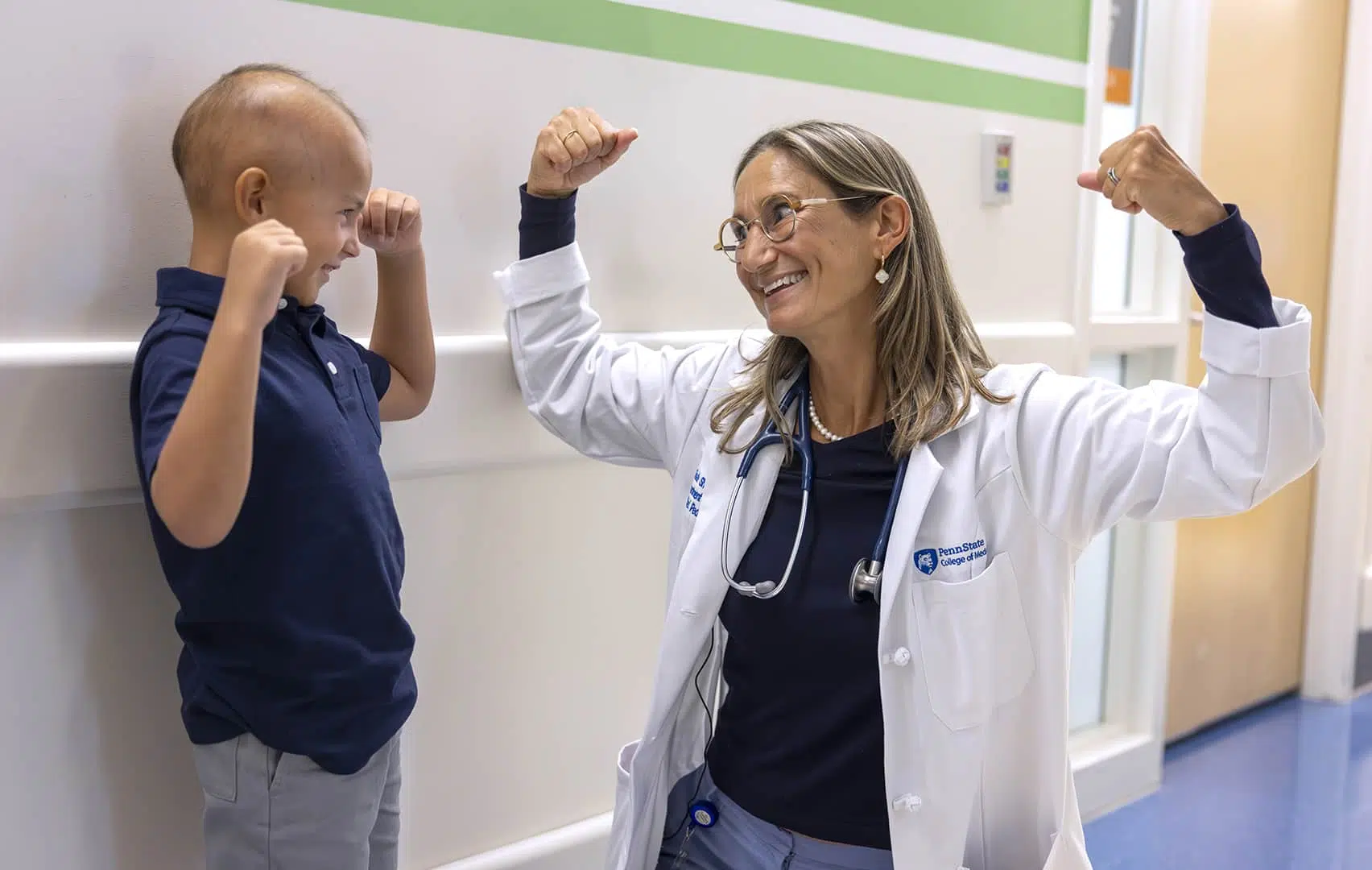
Dr. Giselle Sholler with a child in clinic setting
The knowledge we gain from this trial could pave the way for better therapies for children worldwide.
Dr. Giselle Sholler, Penn State Health
Dr. Giselle Sholler, chair of the Beat Childhood Cancer Research Consortium, with a young patient

Studies open at children's hospitals and universities
  • Penn State Health Golisano Children's Hospital
  • Levine Cancer Institute (Atrium Health Levine Children's)
  • Medical University of South Carolina (MUSC Children's Health)
  • Helen DeVos Children's Hospital (Corewell Health)
  • Dell Children's Blood and Cancer Center (Dell Children's)
  • Arnold Palmer Hospital for Children (Orlando Health)
  • Connecticut Children's Medical Center
  • CHU Ste. Justine (CHU Sainte-Justine)
  • St. Joseph's Children's Hospital
  • UCSF Benioff Children's Hospital Oakland
  • Rady Children's Hospital San Diego
  • Randall Children's Hospital
  • Cardinal Glennon Children's Medical Center (SSM Health)
  • Children's Hospitals and Clinics of Minnesota (Children's Minnesota)

7 recruiting studies

Newly diagnosed
Neuroblastoma

Immunotherapy from the first round of treatment

For high-risk neuroblastoma: naxitamab given with all 5 first chemotherapy cycles.

Learn about this study

RecruitingBCC018 · NCT05489887

After transplant
Neuroblastoma

Recently had a stem cell transplant for neuroblastoma?

For high-risk neuroblastoma: standard immunotherapy with or without DFMO, assigned by chance.

Learn about this study

RecruitingNMTRC012 · NCT02559778

Relapsed or refractory
Neuroblastoma

Two medicines combined for neuroblastoma that has come back

Tipifarnib by mouth with naxitamab by IV, over 6 cycles.

Learn about this study

RecruitingBCC022 · NCT06540963

Relapsed or refractory
Neuroblastoma and sarcomas

An investigational pill added to chemotherapy

Silmitasertib, taken by mouth, with standard chemotherapy.

Learn about this study

RecruitingBCC021 · NCT06541262

Relapsed or refractory
Neuroblastoma, brain tumors, bone sarcomas

One study spanning brain tumors, neuroblastoma and sarcoma

AMXT 1501 with DFMO, both taken by mouth. Children newly diagnosed with DIPG can also join.

Learn about this study

RecruitingBCC020 · NCT06465199

After treatment
Medulloblastoma

Has your child finished treatment for medulloblastoma?

DFMO by mouth for about 2 years, while scans show no cancer or only stable disease.

Learn about this study

RecruitingBCC016 · NCT04696029

High-risk or relapsed
Ewing sarcoma, osteosarcoma

DFMO during or after bone sarcoma treatment

Testing whether it may help keep the cancer from coming back.

Learn about this study

RecruitingBCC023 · NCT07321912

Not sure which clinical trials might be right for your child?

Contact Our Trial Navigator
What happens next?

Four steps, in the order they usually happen

  1. 1

    Review the study information.

  2. 2

    Sign in to the patient portal to request more information about enrollment.

  3. 3

    Share the study with your child's oncology team if needed.

  4. 4

    The study team will confirm whether your child meets the eligibility requirements.

Portrait of Dr. Giselle Sholler, Chair of Beat Childhood Cancer Giselle Sholler, MD, Chair, Beat Childhood Cancer Research Consortium
Why Beat Childhood Cancer?

Research led by doctors who treat children with cancer

Dr. Giselle Sholler is a pediatric oncologist and the founder and chair of the Beat Childhood Cancer Research Consortium. The consortium brings leading doctors and researchers together to design and run clinical trials that discover safer, more effective treatments for children with solid tumors and rare cancers.

Every child’s cancer is unique. The consortium centers its mission on precision medicine, matching therapies directly to your child’s tumor to attack the cancer, protect healthy cells, and lower the risk of relapse.

The consortium brings together more than 50 children’s hospitals and universities across the US, Canada, and Spain. This network helps your family access these specialized treatments widely.

50+ Universities and children's hospitals in the consortium
Phase I & II The stages of research the consortium conducts
Since 2010 Coordinated through Penn State College of Medicine
How clinical trials work

Questions parents ask first

Instead of treating every child with the same diagnosis the same way, precision medicine studies your child's tumor to find treatments matched to its specific features. Many Beat Childhood Cancer studies are built around this approach.
A clinical trial is a research study that tests a treatment or approach in people, following a written plan called a protocol. Participation is voluntary.
No. A listing only shows that a study exists. Eligibility is confirmed by the clinical trial team at a participating hospital after reviewing your child's medical history.
Yes, and it is the recommended next step. Your child's oncology team can tell you whether a study is worth pursuing and can contact the study team on your behalf.
The study is running, but it is not enrolling new participants right now. It is listed here so you have the full picture; the enrollment team can tell you whether that may change.
Phase I studies focus on safety and dosing. Phase II studies look at whether a treatment has an effect on the cancer. Beat Childhood Cancer conducts Phase I and Phase II research.
Your child's care team stays involved. What a study changes, if anything, is described in the study's own consent documents and explained by the study team before you decide.

A trial could be your child's next option

Find a study, share it with your child's oncologist, and the enrollment team will help with the rest.

Participation in a clinical trial is always voluntary. Eligibility is determined only by the clinical trial team at a participating hospital. This page lists publicly available study information and does not provide medical advice.