
The Glioblastoma Treatment Journey: Understanding Each Phase
The journey of managing glioblastoma involves multiple stages. Here’s a detailed look at the phases of glioblastoma, from diagnosis to supportive care.
1. Diagnosis:
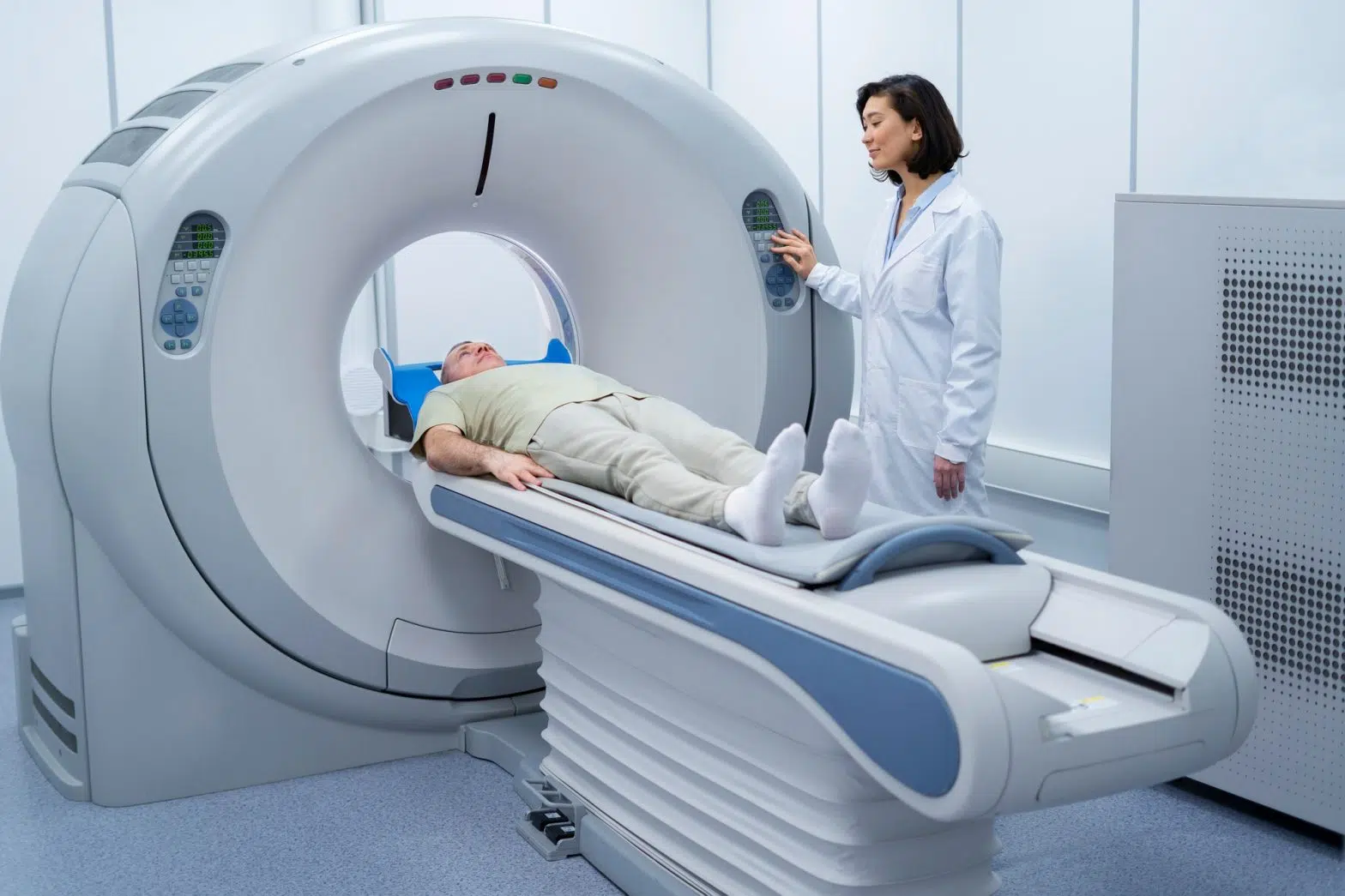
Sophisticated imaging techniques such as MRI, CT, and PET scans can accurately pinpoint the location of brain tumors.
A biopsy is performed to obtain tumor tissue for analysis, which is used to assign the tumor a name, grade, and to provide answers to the following questions:
- What is the purpose of a biopsy in the diagnosis and management of glioblastoma?
- How is the tissue obtained during a biopsy used to assign the tumor a name and grade
- What are the risks and benefits associated with undergoing a biopsy for glioblastoma diagnosis?
- Are there alternative methods for obtaining tumor tissue for analysis aside from a traditional biopsy?
- How soon after the biopsy can a patient expect to receive the results and subsequent treatment recommendations?
- What are the key questions a patient should ask their healthcare team before undergoing a biopsy for glioblastoma diagnosis?
- Are there specific imaging or laboratory tests that are typically performed in conjunction with a biopsy to aid in the diagnosis and treatment planning for glioblastoma?
- What are the typical steps involved in the process of analyzing the tissue obtained during a biopsy for glioblastoma?
- Are there any ongoing research efforts aimed at improving the accuracy and safety of biopsies for glioblastoma diagnosis and treatment planning?
- What are the potential implications of the biopsy results for the patient’s prognosis and treatment options?
Patients should also consider seeking a second opinion from a specialist in brain tumor treatments and surgeries.
2. Treatment Plan:
After diagnosis, a treatment plan is developed based on the patient’s overall health, age, and the location and size of the tumor.
Treatment options for glioblastoma may include:
- Surgery: The goal of surgery is to remove as much of the tumor as possible without causing damage to essential brain functions.
- Radiation therapy: It uses high-energy beams to target and kill cancer cells. It is often used after surgery to destroy any remaining tumor cells and slow down the growth of the tumor.
- Chemotherapy: It involves the use of drugs to kill cancer cells. It can be administered orally or intravenously and is often used in combination with radiation therapy to treat glioblastoma.
3. Clinical Trials:
Patients with glioblastoma may have the option to participate in clinical trials, which can provide access to new and innovative treatment approaches.
4. Shared Decision-Making:
Shared decision-making is an ongoing process that occurs at various stages throughout the patient care journey. It involves the extended treatment team as well as the patient and their caregivers.
5. Palliative Care:
- Palliative care is an essential component of the care journey for patients with glioblastoma. It focuses on improving the quality of life of patients and their caregivers by managing symptoms, providing emotional support, and reducing caregiver burden.
- Early Integration of Palliative Care: Early integration of palliative care has been shown to reduce symptom burden, decrease rates of depression in patients and caregivers, reduce costs of care, and improve quality of life.
- Symptom Management: Palliative care can help manage symptoms such as pain, nausea, and fatigue, which are common in patients with glioblastoma.
- Emotional Support: Palliative care can provide emotional support to patients and their caregivers.
- Caregiver Support: Palliative care can also help reduce caregiver burden by providing support and resources to caregivers.
- End-of-Life Care: Palliative care can also provide end-of-life care to patients with glioblastoma.
In summary, the phases of glioblastoma, from diagnosis to supportive care, involve a comprehensive approach to treatment and care, including diagnosis, treatment planning, consideration of clinical trials, shared decision-making, and the essential role of palliative care in improving the quality of life for patients and their caregivers.
Easily find and explore clinical trials tailored to your needs—all for free. Get clear, accessible information to make informed decisions. Download the app or register today.
Citations:
- Glioblastoma Treatment & Management – Read more
- Glioblastoma Symptoms – Read more
- Glioblastoma (GBM) – American Brain Tumor Association- Read more
- Glioblastoma Multiforme – Read more
- Glioblastoma Multiforme: A Review of its Epidemiology and Pathogenesis through Clinical Presentation and Treatment – Read more


Leave a Reply