
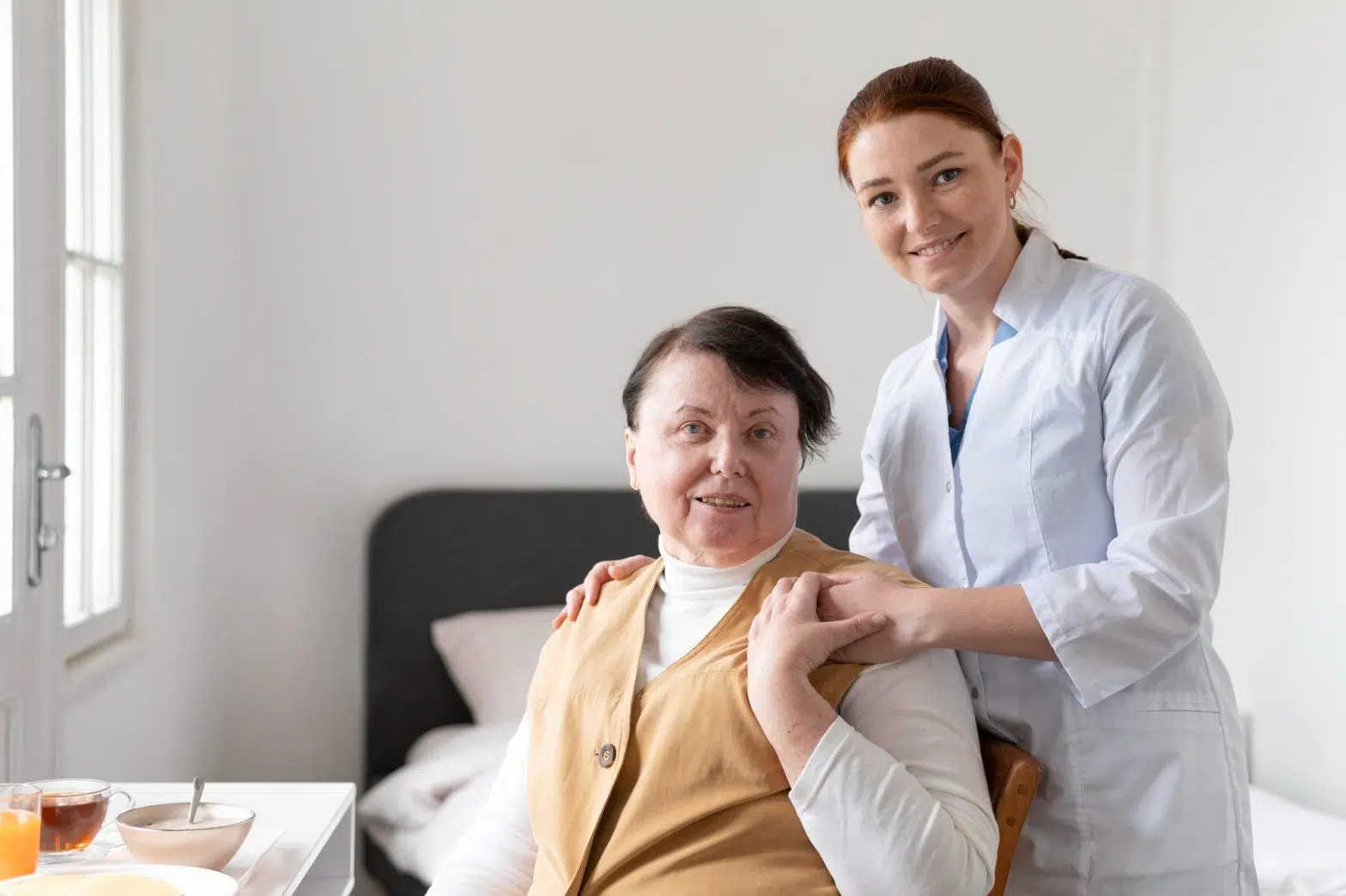
Palliative care is a specialized medical care that focuses on relieving the symptoms and side effects of cancer treatment, improving the quality of life for patients with advanced diseases like glioblastoma. It is an essential component of cancer care and should be considered for glioblastoma patients as soon as they are diagnosed, as it can help manage symptoms and improve their overall well-being.
How does palliative care improve the quality of life for patients?
Palliative care improves the quality of life for glioblastoma patients by addressing various aspects of their physical, emotional, and social well-being. It helps manage symptoms such as pain, nausea, vomiting, fatigue, and cognitive changes, as well as providing support for the patient’s family and caregivers. Palliative care can also help patients make informed decisions about their treatment and end-of-life care options.
What symptoms does palliative care specifically address?
Palliative care addresses a wide range of symptoms experienced by glioblastoma patients, including:
- Pain management
- Nausea and vomiting
- Fatigue
- Cognitive changes
- Emotional and psychological support
- Nutrition and dietary concerns
- Sleep disturbances
- Symptoms related to cancer treatment
Can palliative care be combined with other forms of treatment?
Yes, palliative care can be combined with other forms of treatment, such as surgery, radiation therapy, and chemotherapy. It is often provided concurrently with cancer-directed treatments and can be adjusted as needed to accommodate changes in the patient’s condition.
What support does palliative care provide for families and caregivers?
Palliative care also provides support for the families and caregivers of glioblastoma patients. It helps them understand the patient’s condition, learn how to manage symptoms, and access resources to help them cope with the challenges of caring for a patient with advanced cancer. Palliative care can also assist with advance care planning and end-of-life decision-making, ensuring that the patient’s wishes are respected and their comfort is maintained.
How is palliative care tailored to individual needs?
Palliative care is tailored to the individual needs of each patient with glioblastoma. The healthcare team takes into account the patient’s physical, emotional, and social needs, as well as their cultural and religious preferences, to develop a personalized care plan. This approach ensures that the patient receives the most appropriate and effective care to manage their symptoms and improve their quality of life.
Easily find and explore clinical trials tailored to your needs—all for free. Get clear, accessible information to make informed decisions. Download the app or register today.
Citations:
- Regulatory T Cells in Glioblastoma – Frontiers in Oncology (Link)
- Immunotherapy and Tumor Microenvironment in GBM – PMC (Link)
- Palliative Care in Neuro-Oncology – Neuro-Oncology Practice (Link)
- Integrating Palliative Care in Neuro-Oncology – PMC (Link)
- What is Palliative Care? – National Brain Tumor Society (Link)


